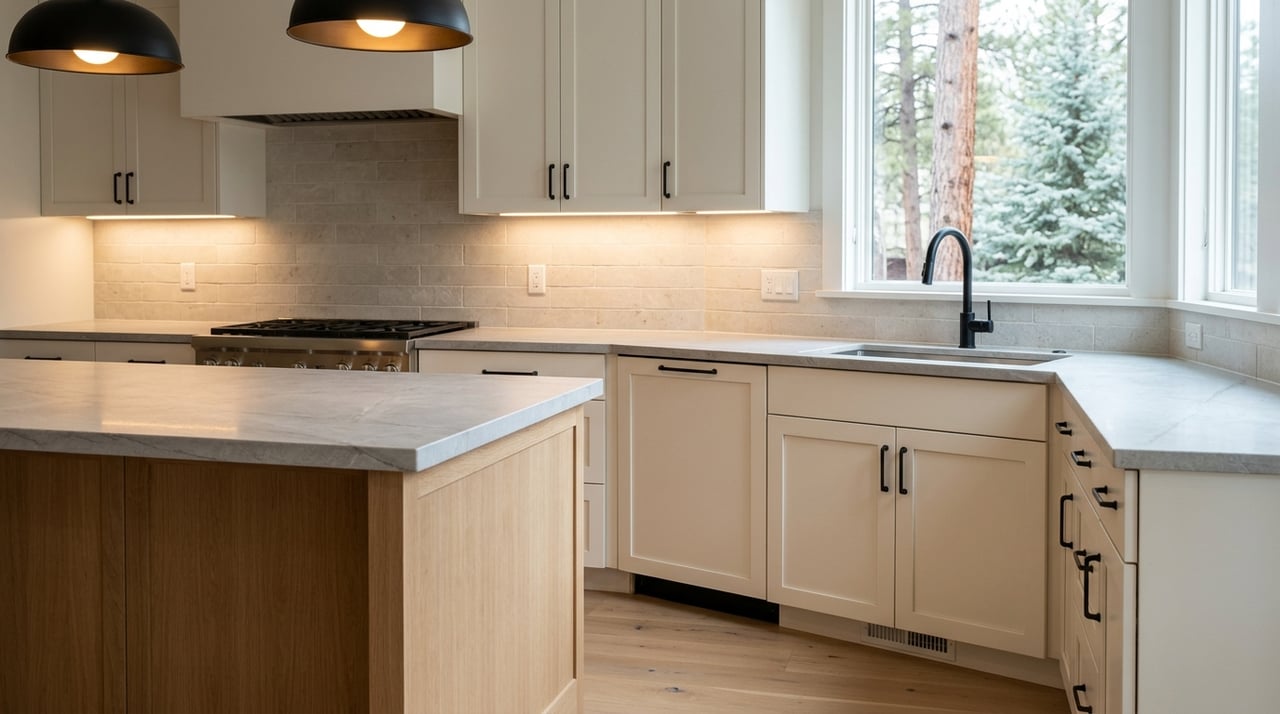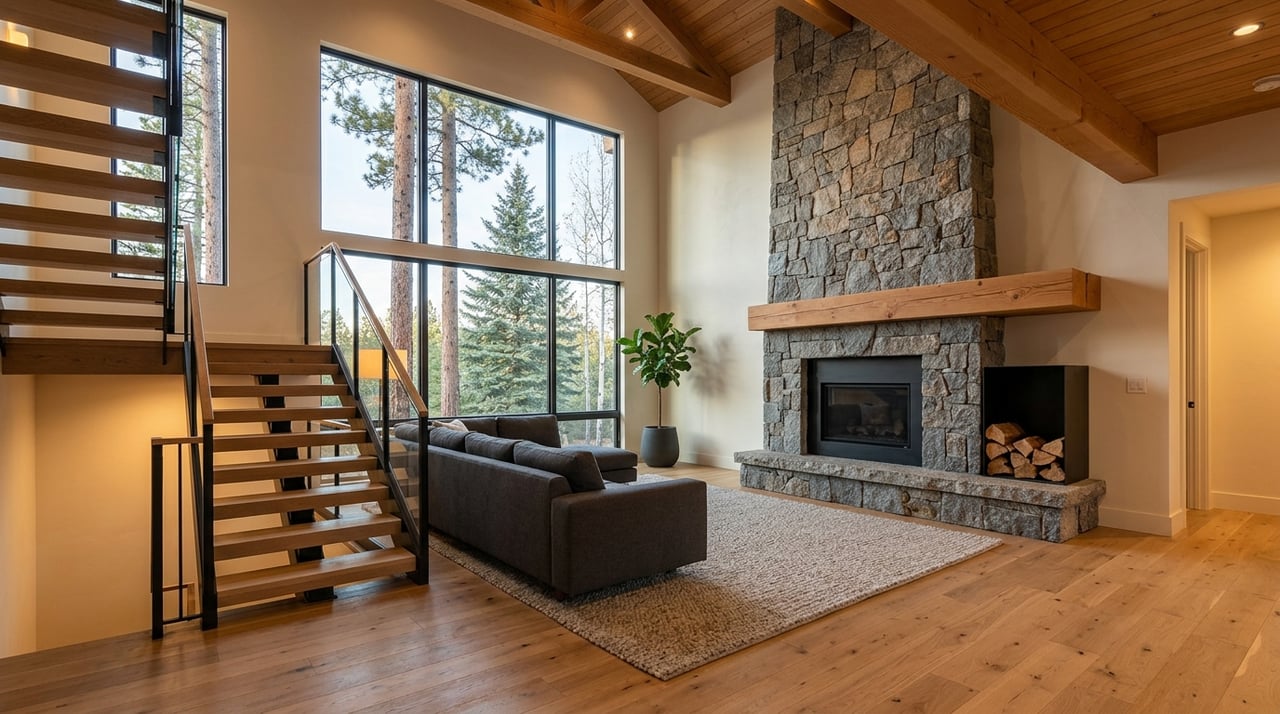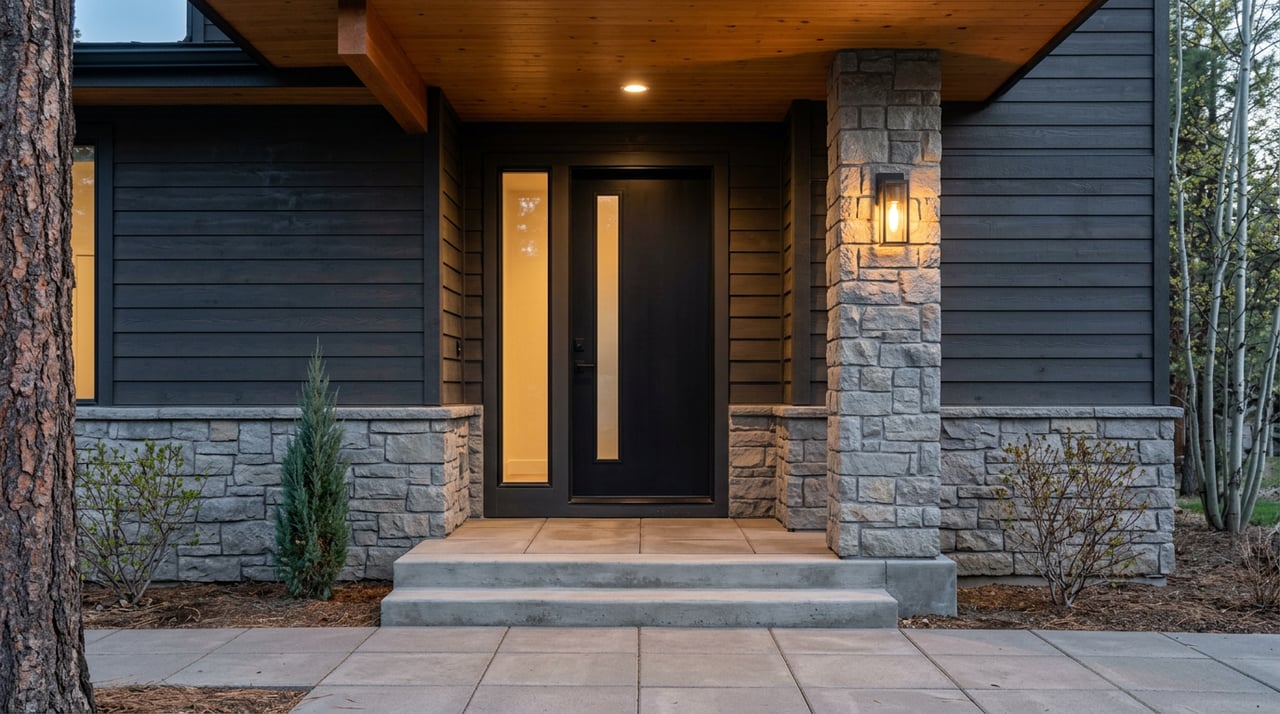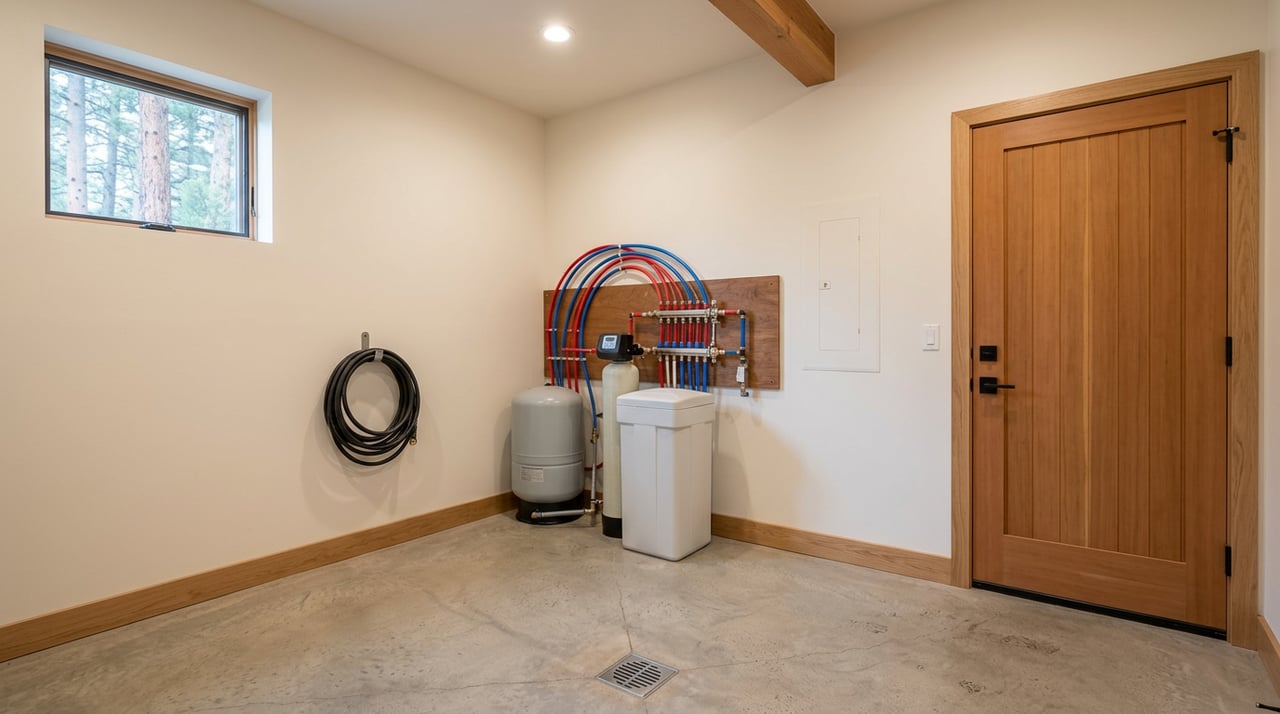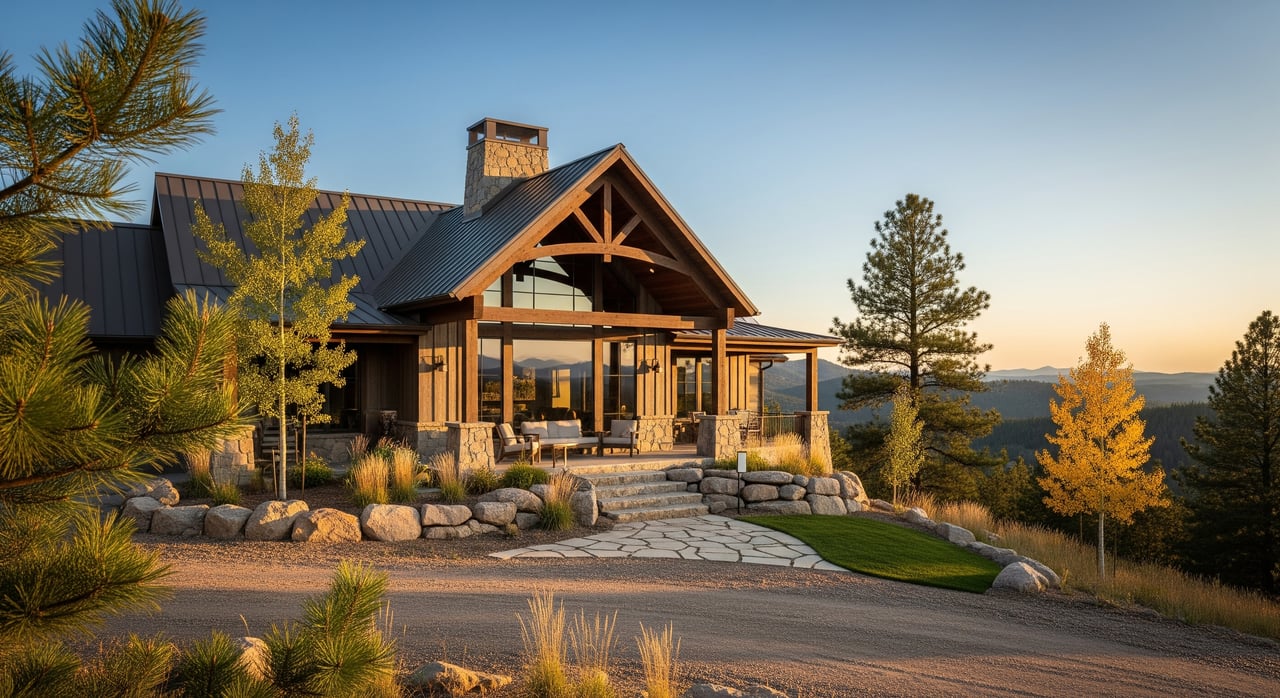
Thinking about a home in Deadwood or the nearby Black Hills and wondering which style fits your life best? In our mountain climate, the right design and materials can make a big difference in comfort, upkeep, and resale. This guide breaks down the most common local styles, what they look like, how they perform, and what to watch for during your search or sale. Let’s dive in.
Why Black Hills climate shapes design
Cold, snowy winters, sunny summers at elevation, and frequent freeze–thaw cycles push builders toward durable materials and smart detailing. Roofs need to shed snow. Exteriors need to handle UV exposure and moisture. On sloped or canyon lots, drainage and ice-dam prevention are priorities.
The region’s visual language leans on native timber and local stone. You often see heavier timbers, stone bases, and a rustic look balanced with modern comfort. In historic areas of Deadwood, you may face preservation guidelines that affect colors and materials. Always confirm building codes and any historic overlays before exterior changes.
Ranch-style: simple and practical
Ranch homes are usually single-story with a long, low profile and simple rooflines. Many have attached garages and larger windows facing the yard. In the Black Hills, you often see ranches with engineered wood or fiber cement siding, and stone or brick accents.
- Common materials: wood or engineered siding, stone or brick veneer, asphalt shingles or metal roofing.
- Local look: native-stone bases and larger timbers help them blend into the mountain setting.
Maintenance and performance: Ranch homes can be cost-effective to maintain, especially with low-maintenance siding and a sound roof. If built on a slab or crawlspace, pay attention to underfloor and slab-edge insulation, which can improve comfort and reduce heating costs.
Resale appeal: Move-in-ready exteriors, a recent roof, and documented energy updates tend to draw strong interest. Decks and patios that connect to views also help.
Craftsman: warm details and character
Craftsman homes stand out with low to moderate gables, exposed rafter tails, tapered porch columns, and multi-pane window accents. Inside, you may find built-ins and detailed trim. Around Deadwood, many craftsman homes use local stone at porch piers and heavier timber elements.
- Common materials: painted wood siding or cedar shingles, stone piers, metal or composite roofs on updated homes.
- Local look: authentic trim and natural materials that feel grounded in the Black Hills.
Maintenance and performance: Trim and woodwork need routine care. When re-siding, consider continuous exterior insulation and high-efficiency windows to reduce heat loss while preserving details.
Resale appeal: Buyers who love character are drawn to intact porches and well-maintained millwork. Good photos that show these features inside and out can boost interest.
Mountain contemporary: modern lines, big views
Mountain contemporary homes mix clean, modern lines with rustic materials. Expect large windows, asymmetrical rooflines, big decks, and open plans. Many newer builds include higher-performance insulation and mechanical systems.
- Common materials: wood or engineered siding, stone veneer, metal roofing, large insulated glazing.
- Local look: deep overhangs and covered decks to protect glass and siding from sun and snow.
Maintenance and performance: Large windows are a highlight, so specify or confirm high-performance glazing. Overhangs, careful flashing, and well-detailed decks keep water out. Regular checks around big glass walls and ledger connections are smart.
Resale appeal: Views sell. Buyers value energy-efficient windows and a documented building envelope that performs well in winter.
Log-accent hybrids: rustic look, balanced upkeep
Full log homes do exist, but around town you will more often see hybrids. These are framed homes with log or timber accents at porches, gable ends, and entries. You get the lodge feel with less maintenance than full-log construction.
- Common materials: log or heavy timber accents, log siding, chinking in true log homes, stone at foundations or chimneys.
- Local look: large exposed beams paired with durable cladding for a mountain profile.
Maintenance and performance: True log homes need consistent care. Stains and finishes typically require renewal on a shorter cycle than standard siding, and chinking should be inspected. Hybrids are easier to insulate to modern standards and generally reduce upkeep.
Resale appeal: Buyers respond to the rustic aesthetic when maintenance is clearly under control. Records of staining, chinking, and drainage improvements help build confidence.
Materials and roofs that matter
Your climate calls for exterior choices that last and look right.
- Wood siding and trim: Beautiful, but they need routine staining or repainting. Good overhangs and gutters reduce wear.
- Fiber cement and engineered siding: Lower maintenance, resistant to rot and insects, and a good fit for craftsman or ranch profiles.
- Stone and masonry accents: Durable and authentic. Watch mortar joints and flashing, and maintain drainage away from walls.
- Metal roofing: Long life and excellent at shedding snow. Higher upfront cost, lower routine maintenance.
- Asphalt shingles: Lower initial cost, but shorter life in high UV at elevation. Proper attic insulation and ventilation help manage ice dams.
Energy efficiency across styles
The biggest drivers of comfort and utility costs are insulation, air sealing, windows, and mechanical systems. Older homes often need better attic insulation, tighter windows and doors, and updated heating.
- Ranch: Insulate crawlspaces or slab edges and upgrade attic insulation for reliable gains.
- Craftsman: Address thermal bridging, add exterior insulation when re-siding, and select high-efficiency windows that respect the trim style.
- Mountain contemporary: Large glass areas call for high-R, low-e windows and smart shading from overhangs.
- Log or log-accent: Full-log walls have thermal mass but lower insulation value unless supplemented. Keep joints and chinking well sealed to cut air leaks.
Modern cold-climate heat pumps perform better than older models in low temperatures, while high-efficiency gas or propane furnaces remain common and effective. Solar can work well at elevation if roof orientation and shading cooperate. In tighter homes, plan for balanced ventilation to keep air fresh without big heat losses.
What boosts resale in Deadwood
Buyers want materials that fit the setting and hold up over time. They also want visible evidence of smart upgrades.
- High-value features: Durable roofing, low-maintenance siding, quality windows, and outdoor living oriented to views.
- Energy upgrades: Insulation, air sealing, efficient windows, and modern mechanicals improve comfort and often pay back at resale.
- Style-specific tips: Preserve craftsman details, keep log finishes current, and showcase the views in mountain contemporary homes.
Quick style checklists
Use these short lists to focus your walk-through or pre-list prep.
All styles
- Roof, flashing, and signs of ice dam damage
- Gutters and downspouts that move water away
- Attic insulation and ventilation levels
- HVAC age and visible duct issues
- Window operation and seal integrity
Ranch and craftsman
- Trim and paint at sills, eaves, and columns
- Crawlspace moisture and foundation cracks
Mountain contemporary
- Flashing around large window walls
- Deck ledger connections and water protection
- Structural checks for big overhangs
Log and log-accent
- Condition of stains and chinking
- Logs at sills, piers, and roof intersections
- Pest inspection records if available
How to choose your fit
Match your lifestyle and maintenance comfort to the style. If you prefer low-touch exteriors, fiber cement on a ranch or craftsman could be ideal. If you value modern light and views, a mountain contemporary may deliver the best experience. If the rustic look calls to you, a log-accent hybrid offers charm with more manageable upkeep than full-log.
When you are ready to buy or prepare your home for market, lean on local expertise. A seasoned guide can help you weigh materials, energy upgrades, and code or historic factors so you get the most from your investment.
If you would like tailored advice on style, maintenance planning, or pre-list improvements in the Deadwood area, reach out to Jennifer Landguth. Let’s connect about your home and neighborhood.
FAQs
What home styles are most common around Deadwood?
- Ranch, craftsman, mountain contemporary, and log-accent hybrids are the most frequent, each adapted to the Black Hills climate and terrain.
How does elevation affect roofing and siding choices?
- Higher UV at elevation can shorten finish life, so durable finishes, quality stains, and metal roofing often perform best over time.
Are full log homes practical in town neighborhoods?
- Full-log homes are less common in denser areas; log-accent hybrids deliver the look with easier insulation and lower maintenance.
What energy upgrades pay off fastest in this climate?
- Attic insulation, air sealing, and high-performance windows deliver consistent comfort gains and can improve resale appeal.
Do I need special permits for exterior changes in historic areas?
- In historic neighborhoods, check with local planning and the state historic preservation office before altering exteriors, materials, or colors.