You can fall in love with a Black Hills view in a heartbeat, but rural utilities take a little homework. If you are looking at acreage or a home in Piedmont Valley, you will likely manage a well, septic, propane, and a mix of internet options. That is normal for 57769. In this guide, you will learn exactly what to check, which records to request, and how to plan with confidence before you write an offer. Let’s dive in.
Why utilities vary here
The northern Black Hills sit on fractured and karst-like bedrock aquifers. Water quantity and quality can shift over short distances, so two neighboring wells may perform differently. That is why you verify each specific property with well logs and lab tests, not general assumptions. The USGS Black Hills Hydrology Study explains this variability and why local testing matters.
Start with three quick checks
- Confirm the seller has the Meade County septic time-of-sale inspection and pumping completed and filed. This is required for most on-site systems at sale. Ask for a copy of the filed report from the county or the seller. Review the county’s time-of-sale septic guidance.
- Pull the property’s well completion report (well log) and compare it with seller records. You can verify logs through South Dakota DANR’s public resources for well completion reports and use this guide on finding private well completion reports to request and read them.
- Identify who supplies electricity to the parcel and the line extension policy. In and around Rapid City and Piedmont, service areas are split between an investor-owned utility such as Black Hills Energy and rural electric co-ops depending on exact location. Ask the serving provider about connection options and costs before you finalize plans.
Well water essentials
How water is supplied
Most rural properties near Piedmont rely on a private well or a small community system. If your home has a private well, you are responsible for testing and maintenance because private wells are not regulated like public systems. The EPA outlines how to protect your home’s well water.
Local aquifers and water quality
Domestic wells here commonly draw from formations like the Madison Limestone and the Minnelusa. Hardness, iron, manganese, and sulfate can be present, and in some areas you may see naturally occurring constituents such as arsenic or uranium/radium. These often have no taste or smell, so lab testing is essential. The USGS study of Black Hills aquifers details these patterns and why results vary by location and formation.
Key well records to request
Ask the seller or listing agent for:
- The well log or completion report, then verify it through DANR’s well completion report resources.
- Pump make, model, and age, plus any written pump or yield test.
- Recent water lab reports with test dates, lab name, and parameters.
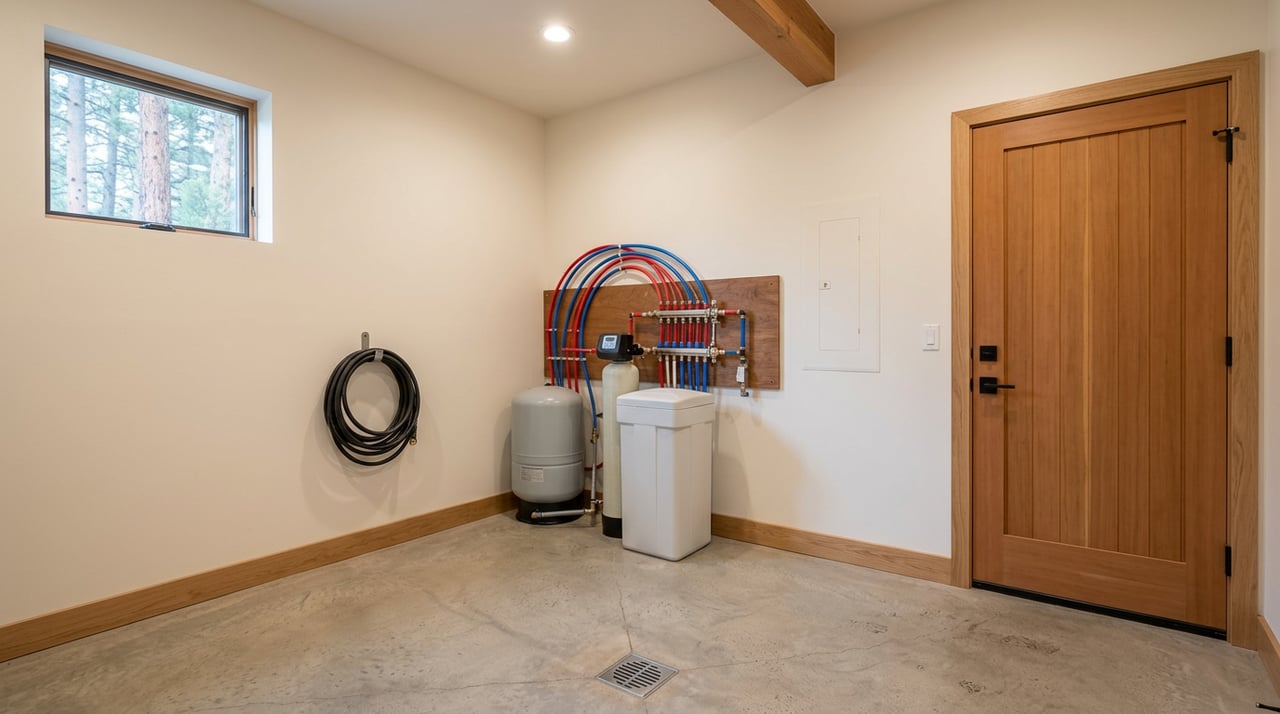
- Any water treatment details, owner manuals, and service records.
- Service or repair history and whether the pump can run on a generator.
If the seller cannot produce the well log, use this step-by-step guide on finding completion reports and consider a qualified driller’s site review.
What to test before closing
At minimum, test for total coliform/E. coli and nitrate. EPA guidance recommends these annually. In the Black Hills, also plan periodic testing for radionuclides and metals such as arsenic based on local geology or past results. If a treatment system is installed, verify it was sized for the contaminants found and that maintenance records are current. See the EPA’s homeowner guidance on private well testing and care.
Red flags to investigate
Be cautious if there is no well log, no recent bacteria and nitrate test, unexplained staining or odors, very shallow dug wells, or a wellhead in a pit or flood-prone area. In these cases, order a full water panel from a certified lab and consider a well-site inspection by a licensed driller. This SDSU resource helps you pursue missing logs and cross-check records when history is unclear: finding private well completion reports.
Septic systems in Meade County
Time-of-sale requirement
Meade County requires a septic inspection by a certified installer and tank pumping at or within six months of closing for most properties with on-site systems. The seller must file the inspection report with the county. As a buyer, request the filed report during due diligence and confirm it is complete and recent. Review the county’s time-of-sale requirement and form.
Common system types
Conventional tank and leachfield systems are typical where soils and groundwater depth allow. Where soils are poor, groundwater is shallow, or slopes are steep, engineered options such as mounds or pressure-dosed systems may be required. The system type can affect expansion potential and replacement costs. Counties apply state standards and may add documentation steps at permitting.
Maintenance and life expectancy
Plan to inspect a septic system every 1 to 3 years and pump a household tank every 3 to 5 years, depending on tank size, household size, and use. Mechanical or advanced systems need more frequent checks and often annual service contracts. The EPA’s homeowner guide to septic care explains warning signs and simple best practices.
What to request from the seller
Ask for as-built drawings and permits, the last inspection report, pump dates and receipts, repair records, and the age and type of the tank and drainfield. If past work was done, verify it was permitted and inspected. If the county time-of-sale filing is missing or out of date, require the seller to complete it or adjust terms so you can inspect and address issues.
When to order your own inspection
Even if the seller provides the county-filed report, it can be wise to order an independent inspection that opens the tank and, when appropriate, uses a dye or water-loading test. This is especially prudent if you plan renovations or your lender needs added assurance.
Power and propane
Electric service checks
Service in and around Piedmont can be from Black Hills Energy in more built-up areas or a regional electric co-op in rural zones. Confirm the exact provider for the parcel. Ask whether service is overhead or underground, meter capacity, any existing easements, outage history, and how line extension costs work if you plan a new shop or larger loads. The serving utility is the best source for final connection policy. See background on Black Hills Energy’s service area.
Propane questions to ask
Propane is common for rural heating, water heaters, and cooking. Ask whether the tank is owned or leased, who services the account, the past year’s fill history, and whether the property is on automatic delivery. Tank ownership affects transfer and cost. For a quick primer on local propane arrangements, review this overview of regional utility setups, then confirm details with suppliers who serve your exact address.
Backup planning
Rural areas can see longer outage restoration times after storms. If you plan a standby generator or battery and solar, verify transfer switch requirements with the serving utility and consult a licensed electrician. Confirm the generator’s size against your home’s loads and whether the meter and service can support it.
Internet and cell
Internet options in 57769
You will likely choose between satellite, fixed wireless, cellular home internet, or address-specific cable or fiber in parts of the ZIP. Availability and performance vary by road and even by ridge. Start by reviewing local options with the Piedmont ZIP 57769 provider lookup, then enter your exact address into provider coverage tools. Ask the seller for recent speed test screenshots and, if internet is critical, run a test on-site.
Cell service and safety
Signal can fade in valleys and hollows. Check carrier maps and, when you visit, place a call and run a speed test outdoors and near where you would set up a home office. For emergency planning, confirm who responds to your address and how 911 dispatch routes in your area of Meade County.
Trash, roads, and access
Rural homes often use private haulers, neighborhood sanitation services, or county transfer stations. Ask the seller which hauler serves the address or where the nearest transfer station is and what it costs. For road access, confirm whether your route is county maintained, part of an HOA, or a private easement. If it is private, review any road maintenance agreement and snow removal plan.
Fire protection and insurance
Many areas around Piedmont are served by volunteer or mostly volunteer fire departments. Distance to the responding station, hydrant availability, and on-site water supply can influence your insurance rates. Speak with your insurer early and ask the local department about response expectations. Recent regional coverage underscores why seasonal conditions matter for risk in the Black Hills. See this note on fire danger trends in the Black Hills.
Buyer due-diligence checklist
Use this list as you tour and before you write an offer.
- Well and water
- Ask for the well completion report and verify through DANR’s well resources.
- Request recent lab results for bacteria and nitrate, plus any metals or radionuclides tested in the last few years.
- Get pump details, yield information, and treatment system records.
- Plan your own bacteria and nitrate test before closing. See the EPA’s private well guidance.
- Septic
- Require the county-filed time-of-sale inspection and pumping receipt. Review Meade County’s time-of-sale rule.
- Ask for as-built permits, pump receipts, and any repair invoices.
- If needed, order an independent inspection to open the tank and verify function.
- Electricity and propane
- Confirm the electric provider, whether a service drop exists, meter capacity, and any line extension policy for new loads. See Black Hills Energy background.
- For propane, determine tank ownership versus lease, supplier options, and last fill date. Review a local propane service overview.
- Internet and cell
- Run address-level checks with the Piedmont 57769 provider lookup.
- Ask the seller for recent speed tests and, if critical, test on-site.
- Access, safety, and digging
- Confirm whether the road is county, HOA, or private and who plows.
- Ask the local fire department about response expectations and tell your insurer the exact location.
- Call 811 before any digging for fences, trees, or trenching.
Maintenance calendar for new owners
Build these items into your first-year plan.
- Well
- Test for total coliform/E. coli and nitrate every year. Add metals or radionuclides based on location or past results, typically every 3 to 5 years. Follow the EPA’s well testing guidance.
- Septic
- Inspect every 1 to 3 years and pump a typical household tank every 3 to 5 years. See the EPA’s tips for septic system care.
- Electricity and propane
- Confirm meter capacity before adding large loads. Keep propane service on an appropriate delivery plan and document tank inspections.
- Internet
- If you rely on a single provider, track performance and keep a backup option in mind, like cellular home internet or satellite, in case service changes.
Local help when you need it
Buying rural in the Black Hills is rewarding when you plan for utilities early. Verify records, test the well water, lean on the county’s time-of-sale septic rule, and get clear answers from utility providers before you commit to upgrades. If you want a second set of eyes on feasibility and value, I am here to help you evaluate the property and craft a smart offer. Connect with Jennifer Landguth to talk through your goals and next steps.
FAQs
What should I test in a private well when buying in 57769?
- Test for total coliform/E. coli and nitrate before closing, then add metals or radionuclides based on local geology or prior results, following EPA guidance for private wells.
How does Meade County’s time-of-sale septic inspection protect me?
- Sellers must have the system inspected and the tank pumped near closing, then file the report with the county, so you can review a current condition check during due diligence.
Can I get high-speed internet at a rural Piedmont address?
- Options vary by road; use the Piedmont 57769 provider lookup to check address-level availability and ask sellers for speed tests to confirm real-world performance.
Who supplies electricity near Piedmont and what should I ask?
- Service depends on location; confirm the exact provider, meter capacity, any existing easements, outage history, and line extension costs for new or larger loads.
Is propane common for rural homes around Piedmont Valley?
- Yes, many rural homes use propane for heat, water heating, and cooking; confirm tank ownership versus lease, supplier options, and the property’s annual usage history.
Will distance from a fire station affect my insurance in the Black Hills?
- It can; many areas are served by volunteer departments and limited hydrants, so disclose your exact location to your insurer and ask the local department about response time.